Short answer: You don't need a $159 recorder to get Plaud-style AI notes — the phone in your pocket already has the microphone. Apps like meaty (ours, so read the comparisons below with that in mind), Otter, Granola, and Notta record, transcribe, and summarize without any hardware to buy, charge, or lose. For most people, a phone plus one app subscription does the same job for less money.
Plaud makes genuinely nice hardware, and there are cases where a dedicated device wins — we cover them honestly below. But the search that brought you here has a simple premise: you want the output Plaud sells (transcript, summary, action items) without buying a gadget. This guide does the math.
What does Plaud actually cost?
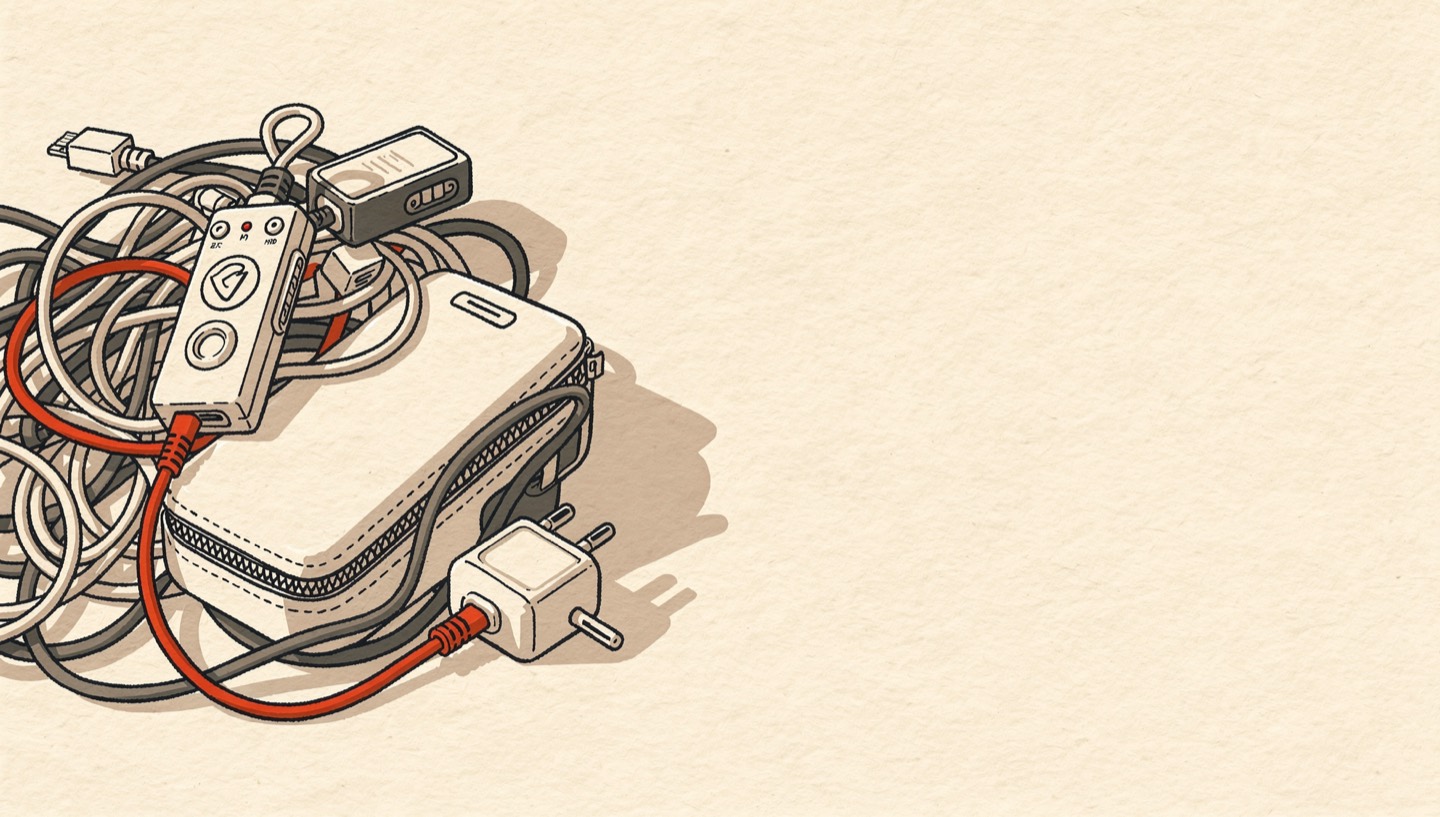
Plaud's pitch is a small dedicated recorder — the credit-card-sized Plaud Note that magnet-attaches to your phone, or the wearable NotePin — paired with an AI subscription that turns recordings into transcripts and summaries.
As of August 2026, the devices on Plaud's own store are:
- Plaud Note — $159
- Plaud Note Pro — $189
- Plaud NotePin — $159
- Plaud NotePin S — $179
The device is only half the bill. The AI processing runs on Plaud's membership plans (as of August 2026):
- Starter — free, 300 transcription minutes/month
- Pro — $17.99/month, or $8.33/month billed annually (~$99.99/year), 1,200 minutes/month
- Unlimited — $29.99/month, or $19.99/month billed annually (~$239.99/year)
So a Plaud Note with the free tier is $159 up front and caps you at 300 AI minutes a month — roughly five one-hour meetings. Use it seriously and you're on Pro or Unlimited, which means $259–$429 in year one, and the subscription keeps running every year after.
Prices and limits change — check plaud.ai for the latest.
The math: recorder + subscription vs an app on your phone
Here's the year-one cost of Plaud against the no-hardware alternatives, using annual billing where available (all pricing as of August 2026, from each vendor's site — linked in the sections below):
| Setup | Hardware | Subscription (annual billing) | Year-one total |
|---|---|---|---|
| Plaud Note + Starter | $159 | $0 (300 min/mo) | $159 |
| Plaud Note + Pro | $159 | ~$99.99/yr (1,200 min/mo) | ~$259 |
| Plaud Note Pro + Unlimited | $189 | ~$239.99/yr | ~$429 |
| Otter Pro (app) | $0 | ~$99.96/yr (1,200 min/mo) | ~$100 |
| Notta Pro (app) | $0 | $97.99/yr (1,800 min/mo) | ~$98 |
| Granola Business (app) | $0 | $168/yr | $168 |
| meaty (app) | $0 | free 120 min/mo; Pro from €6.50/mo (annual) | €0–€78 |
Read that middle column again: Plaud's Pro subscription alone costs about the same per year as Otter's or Notta's entire product. The device is a $159–$189 entry fee for a subscription you'd be paying either way. If your phone can do the recording — and for most meetings it can — the hardware line item is the part you can delete.
The best no-hardware Plaud alternatives
We picked four apps that cover the jobs people actually buy a Plaud for: in-person meetings, calls, and quick voice capture. Full disclosure again: meaty is our product.
meaty — in-person meetings and calls from your browser, no install
meaty is the closest match if your Plaud use case is meetings that happen in a room. It records straight from any phone browser as a PWA — no app-store install, nothing to pair or charge. Set the phone on the table, tap record, and when you stop you get a speaker-labeled transcript, a summary, and action items. For calls that happen in the browser (Meet, and anything else in a tab), the Chrome side-panel extension captures them without a bot joining the call. Everything is EU-hosted.
Pricing: free 120 minutes/month with recordings up to 40 minutes each; Pro (meetings up to 120 minutes) from €6.50/month billed annually or €8 month-to-month — no hardware, no year-one hump.
Worth knowing: transcription happens after you stop, not live on screen; and there's no native phone-call (cellular) recording — that's a real Plaud Note advantage we cover below. If you want to know how meaty stacks up against bot-style tools, see our guide to the best AI notetaker for in-person meetings.
Otter — the closest feature-for-feature swap
Otter's mobile app records in-person conversations the same way a Plaud does — open, tap, record — and adds live transcription on screen while you talk. Its free Basic plan gives 300 monthly minutes (the same allowance as Plaud's free Starter tier, with no $159 device required), capped at 30 minutes per conversation. Pro is $8.33/month billed annually (or $16.99 monthly) for 1,200 minutes/month and 90-minute conversations — numbers from Otter's pricing page, as of August 2026. Note the symmetry: Otter Pro's 1,200 minutes for ~$100/year is exactly Plaud Pro's allowance at exactly Plaud Pro's annual price, minus the hardware.
The trade-offs: Otter's center of gravity is scheduled video calls and calendar integration; the per-conversation caps sting on long sessions, and heavy in-room use is not what it's optimized for. More in our Otter alternative comparison.
Granola — for desk workers who live in calls
Granola takes a different angle: it's a desktop app (Mac and Windows, plus an iOS app) that captures your computer's audio during calls — no bot joins the meeting — and blends the transcript with your own typed notes into a polished summary. Its free Basic plan has limited meeting history; the Business plan is $14/user/month, per Granola's pricing page, as of August 2026.
Where it doesn't fit: Granola is built around the desk. For the walk-around, in-the-room use case that a NotePin targets, a desktop-first tool is the wrong shape — pair it with a phone recorder or pick a phone-first app instead.
Notta — big minute allowance, wide language support
Notta covers phone, web, and desktop, records in person or in calls, and is a strong pick if you burn through minutes: Pro is $8.17/month billed annually ($97.99/year) for 1,800 minutes/month with recordings up to 5 hours each (per this pricing breakdown, updated June 2026 — as of August 2026). That's 50% more monthly minutes than Plaud Pro for the same money, hardware not required.
The catch: the free plan is close to a demo — 120 minutes/month but each recording caps at 3 minutes, so you can't trial a real meeting without paying. Translation features are paid add-ons on top of Pro.
Where Plaud's hardware genuinely wins
We said we'd be honest, so here's the case for the gadget:
- Phone-call recording. This is Plaud's strongest card. The Plaud Note magnet-attaches to the back of your phone and uses a vibration conduction sensor to capture both sides of a cellular call through the phone's body (how it works). iPhones make app-based call recording awkward; a hardware sensor sidesteps that entirely. If recording regular phone calls is your main job, Plaud earns its price.
- Battery and standby. The Note records up to ~30 hours continuously and holds weeks of standby (as of August 2026, per Plaud). Your phone can't record for 30 hours and still be a phone.
- Always ready, one button. A NotePin on your shirt starts recording with a press — no unlocking, no opening an app. For back-to-back field days, that friction difference is real.
- Doesn't occupy your phone. The recorder keeps working while you take a call or use the phone for something else.
Where the phone wins
- It's already there. No second device to buy, charge, carry, or leave in yesterday's jacket. The best recorder is the one you actually have when the meeting starts.
- Zero hardware cost. Every dollar goes to the AI service, which is the part doing the actual work — the comparison of recording methods is the same story: the phone's microphone is more than good enough for a conference table.
- A screen for review. Reading a transcript, fixing a speaker label, or sharing a summary is a screen job. With app-based tools it happens right where the recording lives.
- No sync step. Hardware recorders capture first, transfer later. An app goes from "stop" to "summary on your screen" in one motion.
- Upgrade path is free. Your next phone upgrades your microphone. A $159 recorder is frozen the day you buy it.
How to choose
Three questions settle it:
- Do you mainly need to record cellular phone calls on an iPhone? That's the one job where Plaud's vibration-sensor hardware is genuinely hard to replicate — buy the device, or move those calls to the browser where an extension can capture them.
- Are your meetings in a room, on a call, or at a desk? In a room or mixed: phone-first (meaty, Otter mobile, Notta). At a desk on video calls all day: Granola, or see the wider field of AI notetaker alternatives.
- How many minutes do you really use? Under ~120 min/month, meaty's free tier costs nothing. Around 300, Otter's free plan matches Plaud Starter without the device. Heavy users: Notta Pro's 1,800 minutes is the best minutes-per-dollar in the table.
Frequently asked questions
Is a Plaud recorder worth it if I already have a smartphone?
What is the best free Plaud alternative?
Can an app record phone calls like the Plaud Note does?
Do no-hardware apps work for in-person meetings, or only video calls?
The bottom line
Plaud's real product is the AI subscription; the hardware is a $159–$189 microphone for a phone that already has one. Unless your daily work is iPhone call recording or all-day hands-free capture, a no-hardware app gets you the same transcript, summary, and action items for a fraction of year-one cost — and the phone in your pocket is always charged, always present, and already paid for.
Try meaty free — record your next meeting from the phone you already own, and see the summary before a Plaud would even finish syncing.